Cajun vs. Creole Food: What's the Difference?
Discover the differences between Cajun and Creole cuisine in Louisiana, from early immigrant influences to modern recipes.
Discover the differences between Cajun and Creole cuisine in Louisiana, from early immigrant influences to modern recipes.
At a Glance
- Cajun cuisine traces its roots to French Acadians forcibly displaced from Canada in the 1700s, who settled in South Louisiana and built a resourceful, deeply seasoned cooking tradition around the land and waterways of Acadiana.
- Creole cuisine emerged in New Orleans from centuries of cultural convergence — shaped by French, Spanish, African, Caribbean, Native American, German and Italian influences, and defined largely by the culinary knowledge of enslaved African and Caribbean cooks.
- The most practical way to tell the two apart: Creole cooking uses tomatoes, and Cajun cooking doesn't.
- Both cuisines are best experienced in Louisiana itself, from Creole institutions like Tujague's and Li'l Dizzy's Café in New Orleans to Cajun staples like boudin and smoked tasso throughout Acadiana.
Cajun and Creole are Louisiana's two most celebrated culinary traditions — distinct in history, technique and culture, but both rooted in the resourcefulness and diversity of the people who built them.
When you think of Louisiana, you probably think of the Big Easy — or New Orleans, for the uninitiated — and our legendary joie de vivre. But did you know we are also home to some of the world's most treasured cuisines?
While we may, on occasion, have one too many Bloody Marys at Sunday brunch or add some “punch” to our milk, we don’t take this responsibility lightly. Even when away from the motherland, Louisianians find ourselves declaring our pride and dedication to our culture. And perhaps the most difficult part is explaining Louisiana’s cuisine in a few short sentences. A local would prefer to sit down, put on a pot of coffee or pour a cold beer, and talk about. However, we’ve come to learn that most people simply don’t have the time to do that.
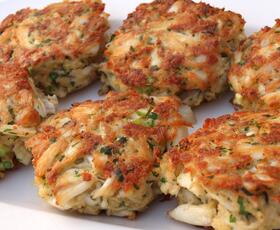
Crab cakes

Muffaletta

Tujague's Restaurant

Boudin
Key Differences Between Cajun & Creole Cuisine
All you really need to know is that Creole cuisine uses tomatoes, and Cajun food does not. That’s how you tell a Creole gumbo from a Cajun gumbo or jambalaya. But to be fair, some Cajun foods, such as a sauce piquante, do include tomatoes as a key ingredient. However, the terms “Cajun” and “Creole,” which are often used so loosely and interchangeably when describing Louisiana food, are not at all the same.
A vastly simplified way to describe the two cuisines is to call Creole cuisine “city food” and Cajun cuisine “country food.” Though many of the ingredients in Cajun and Creole dishes are similar — including the Holy Trinity — the real difference between the two styles lies in the people behind these famous cuisines.
History of Cajun & Creole Cuisine
They say that in order to really know someone, you must meet their family. The same goes for food. In Louisiana, the best place to find authentic Cajun and Creole cooking is in homes across the state, which is what makes the food so special. Many of Louisiana’s most talented chefs learned their trade from their parents or grandparents. Cajun and Creole are two distinct cultures, and while they continue to blend over the years, there's still a clear distinction in Louisiana, and each has its own stories.
What is Cajun Food?
Cajun cuisine is famous for being very well seasoned, which is sometimes misunderstood as spicy. Seasoning is one of the most important parts of Cajun cooking, and that comes from much more than a heavy helping of cayenne pepper. Most dishes begin with a medley of vegetables based on the French mirepoix. The holy trinity of Cajun cuisine includes onion, celery and bell pepper (rather than carrots) to provide a flavor base for many dishes. Garlic is never far away from any stove, either. Paprika, thyme, file (ground sassafras leaves), parsley, green onions and much more are also very common ingredients in Cajun kitchens.
The word “Cajun” originates from the term “les Acadiens,” which was used to describe French colonists who settled in the Acadia region of Canada — present-day New Brunswick, Prince Edward Island and Nova Scotia. During the British Conquest of Acadia in the 1700s, the Acadians were forcibly removed from their home in what became known as Le Grand Dérangement, or the Great Upheaval. Many Acadians eventually settled in the swampy region of Louisiana that is today known as Acadiana. In total, four regions of South Louisiana were settled by the Cajuns, each with different resources and influences. Those distinct areas are the levees and bayous (Lafourche and Teche), prairies (Attakapas Indian land), swamplands (Atchafalaya Basin) and coastal marshes (New Orleans area and Houma).
The Acadians were an extremely resourceful people who combined the flatlands, bayous and wild game of South Louisiana with its proximity to the Gulf to create a truly unique local cuisine. While many Acadiana residents today have African, Native American, German, French or Italian roots, among others, their way of life is strongly influenced by the Cajun culture. Long before refrigerators, early Cajuns wasted nothing — especially when it came to butchering a pig, an event known as a "boucherie." The tradition gave rise to some of Louisiana's most beloved pork products: boudin, a sausage of pork meat, rice, seasoning and often liver stuffed into a casing; and tasso and andouille, both preserved with salt and smoke.
What Does “Creole” Mean?
The term "Creole" has a layered history rooted in French colonial Louisiana. It originally referred to people born in the colony to French and Spanish settler families — a distinction that carried an especially significant social status in 18th-century New Orleans. Over time, the term broadened to encompass a wider community, including native-born enslaved people of African descent and free people of color, many of whom developed a distinct Creole cultural identity of their own. Today, Creole identity is understood in multiple ways and remains a meaningful, living part of Louisiana's cultural fabric.
History of Creole Culture & Cuisine in Louisiana
Creole cuisine is the product of many cultures converging in New Orleans over centuries — French, Spanish, African, Caribbean, Native American, German and Italian, to name a few. Much of what defines Creole cooking today was shaped in the kitchens of wealthy New Orleans households, where enslaved African and Caribbean cooks brought their own deep culinary knowledge, techniques and ingredients, transforming European-influenced dishes into something entirely new. Access to a wider range of spices, seafood and imported goods gave Creole cuisine its reputation for complexity and layered flavors — reflected in dishes like remoulade, which can call for nearly a dozen ingredients. That same history explains some of the differences you'll notice between Creole and Cajun cooking: tomatoes in Creole jambalaya but not Cajun, or a Creole roux made with butter and flour versus a Cajun roux made with oil and flour.
Where to Try Creole and Cajun Food
The only place to get true Creole and Cajun food is in Louisiana, or at least in someone from Louisiana’s kitchen.
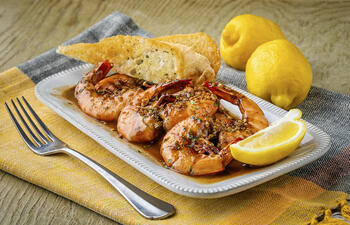
New Orleans is widely considered the best place to get traditional Creole cuisine in Louisiana. Tujague’s Restaurant, the city’s second-oldest restaurant, serves rich, Creole dishes like shrimp remoulade, Gulf fish Bordelaise and chicken bonne femme. At Mr. B’s Bistro, try classic barbecued shrimp, pasta jambalaya or bacon-wrapped shrimp and grits. And Li’l Dizzy’s Cafe is a Treme institution, serving up rotating daily specials like catfish Jourdain, shrimp grillade and smothered okra.
Try outstanding home-cooked Cajun dishes throughout South Louisiana, from Lafayette to Lake Charles. In Lafayette, Johnson's Boucanière carries on a family tradition dating to 1937, when Johnson's Grocery first opened in Eunice. A-Bear’s Café in Houma serves Cajun meals and homemade desserts, accompanied by live Cajun music on Friday nights. And in New Orleans, Cochon Butcher’s menu features small plates like hot boudin and Cajun fried ribs, as well as favorites like the Cochon muffaletta or the Cajun pork dog. Nina P’s in Lake Charles is famous for their po’boys, but don’t miss the chicken and sausage gumbo, served with housemade potato salad or a pistoletta (fried bread roll).
Frequently Asked Questions
What is the difference between Cajun and Creole food?
Cajun and Creole are two distinct Louisiana culinary traditions with different cultural roots. Cajun cuisine originated with French Acadian settlers in rural South Louisiana and is known for bold seasoning, one-pot dishes and techniques born from resourcefulness. Creole cuisine developed in New Orleans from a convergence of French, Spanish, African, Caribbean and other cultures, and is often associated with more complex sauces and a wider range of ingredients. The easiest way to tell them apart: Creole dishes typically include tomatoes, but Cajun dishes typically do not.
Is Cajun food spicy?
Cajun food is well-seasoned, but not necessarily spicy. The bold flavor comes from a layered blend of aromatics and herbs — including the Holy Trinity of onion, celery and bell pepper, plus garlic, paprika, thyme and file — rather than heat alone. Cayenne pepper is part of the pantry, but it's seasoning, not the main event.
What is the Holy Trinity in Cajun cooking?
The Holy Trinity is the aromatic base used in most Cajun dishes: onion, celery and bell pepper.
Where can I eat authentic Creole food in New Orleans?
New Orleans is the home of Creole cuisine, and several longtime institutions serve it well. Tujague's, the city's second-oldest restaurant, is known for dishes like shrimp remoulade and Gulf fish Bordelaise. Li'l Dizzy's Café in Treme serves rotating daily specials rooted in Creole home cooking. Mr. B's Bistro is a French Quarter favorite for barbecued shrimp and pasta jambalaya.
Where can I eat authentic Cajun food in Louisiana?
The best Cajun food is found throughout South Louisiana, particularly in the Acadiana region. In Lafayette, Johnson's Boucanière carries on a family boudin tradition dating to 1937. A-Bear's Café in Houma serves Cajun home cooking with live music on Friday nights. In New Orleans, Cochon Butcher offers Cajun-influenced small plates and sandwiches for a taste of the tradition in the city.
Jay D. Ducote is a native of Baton Rouge, Louisiana. A culinary personality, he's a radio host and restaurateur in Baton Rouge, and you might have seen him compete on season 11 of Food Network Star. You can find him online at JayDucote.com.