Louisiana's Food: An Insider's Guide
Like our music, great food is everywhere.

At a Glance
- Louisiana's signature dishes include gumbo, jambalaya, étouffée and boudin
- Louisiana's cuisine is categorized into Creole and Cajun fare, distinguished by culinary traditions and cultural influences.
- Adventurous eats include alligator (usually fried) and turtle (served in soup)
- Bucket-list experiences include sampling a sugar-dusted beignet at Café du Monde, attending a crawfish boil or grabbing boudin and cracklins on a road trip
Ask anyone what they like best about Louisiana and they'll mention our food. From spicy crawfish boils and savory gumbo to sweet beignets and bold boudin, every bite tells a story. That's because here, food isn't just a meal — it’s a celebration of culture, community and centuries-old traditions.
Top Louisiana Culinary Terms
Before your trip, learn a few of our most curious culinary terms:
- Gumbo (GUM-bo) is a hearty stew thickened with a browned roux (ROO), a mix of flour and oil; okra; and filé (FEE-lay), ground sassafras leaves. Gumbo comes in many styles: seafood, chicken and andouille, and even a meatless version called gumbo z’herbes.
- Jambalaya (jum-buh-LIE-uh) is a seasoned rice dish made with meat or seafood, similar to Spanish paella. Unlike gumbo, which is served over rice, jambalaya is cooked with the rice in one pot.
- Étouffée (eh-too-FAY), which literally means "smothered," is a dish of seafood or game, béchamel and chopped vegetables. Crawfish étouffée is the most popular version, and it’s best in the spring.
- Andouille (AHN-do-ee) is a spicy sausage. It’s smoked, so it adds a deep flavor to gumbo, jambalaya and red beans and rice.
- Boudin (BOO-dan) is a spicy rice-and-meat-filled sausage. Locals eat it by the link as a snack. You’ll also see boudin balls (fried rice-and-meat bites).
- Cracklins (also called gratons) are fried pork skins, a crunchy roadside snack often sold next to boudin.
- Maque choux (MOCK-shoo) is a corn, pepper and onion medley served as a side dish. It’s especially popular in summer when fresh corn is in season.
- Po’boy (POH-boy) is a sandwich on crusty French bread, traditionally filled with fried shrimp or oysters, roast beef or sausage. Order it “dressed” for lettuce, tomato, pickles, and mayo.
- Tasso (TAH-so) is a spicy, smoked pork seasoning meat used to flavor beans, greens and jambalaya.
- Lagniappe (LAN-yap) is a little something extra, whether that’s a bonus pastry from a bakery or a free appetizer from a friendly server.
Creole & Cajun Food in Louisiana
Louisiana’s most popular cuisines, Creole and Cajun, reflect the area’s rich heritage and cultural diversity. Creole cuisine, which originated in New Orleans, blends European, African and Caribbean cooking techniques, while Cajun cuisine was developed by 18th-century French-Acadian exiles who settled in the swamps and prairies of southwest Louisiana.
Spot the Difference Between Creole & Cajun Food
Distinguishing the two cuisines can be difficult. One insider tip? Creole cuisine often highlights tomatoes, while Cajun dishes rarely do. Cajun gumbo also tends to be heartier, with a darker roux and smoked sausage or poultry. Both are delicious, so try each and decide for yourself.

Alligator Po-boy

Coffee and beignets

Charbroiled oysters
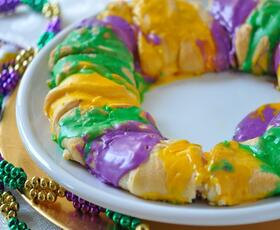
King cake
Seafood in Louisiana
Louisiana seafood shines within our signature dishes. The state has hundreds of miles of coastline along the Gulf, making it one of North America’s most productive shrimp, oyster and crab fisheries. Meanwhile, inland marshes and swamps contribute catfish (a white freshwater fish typically served in fried fillet strips), crawfish (akin to miniature freshwater lobsters served in dishes or boiled whole) and wild game like alligator (usually fried) and turtle (served in soup).
Know Before You Go: Louisiana Seafood
Planning on grabbing a plate of crawfish soon? Learn a little more about Louisiana's seafood first:
- Oysters: Raw, fried or charbroiled, oysters are a signature of the Gulf Coast. December is considered a sweet spot for raw oyster deals during peak season.
- Shrimp: Louisiana shrimp appears in everything from po’boys to barbecue shrimp (a New Orleans dish that’s sautéed in a rich, peppery butter sauce). Expect a good variety through spring, summer and fall.
- Crawfish: Boiled crawfish are a rite of spring, served with corn, potatoes and sometimes sausage. The season typically runs January through June, peaking March through May. Learn how to peel them.
- Crab: Crab turns up boiled, stuffed and as fried intro crispy cakes.
- Catfish, alligator and turtle: Inland, look for fried catfish at casual fish houses. Alligator bites are a fun starter, and turtle soup is a Creole fine-dining classic, with Commander’s Palace among the places known for it.
Sips & Sweet Treats
Louisiana’s food scene doesn’t end with the main course.
- Beignets: Square, fried pastries buried in powdered sugar, best eaten hot (and paired with café au lait). Try some at Café du Monde in the French Market.
- Pralines: Creamy pecan candies, a classic souvenir that’s easy to pack for the trip home.
- Bread pudding: A comfort-food dessert often served warm with a rich sauce.
- King cake: The seasonal Mardi Gras favorite, traditionally topped with purple, green and gold sugar.
- The Sazerac: The official cocktail of New Orleans, and widely called “America’s First Cocktail.” Sip one at the Sazerac House in New Orleans.
Louisiana Culinary Adventures
Experience Louisiana’s diverse culinary scene yourself: Take a road trip to New Orleans for delicious Creole fare or to the southwest part of the state for Cajun delights. Want a mix of both? See Baton Rouge. For a variety of delightful Southern eats, like barbecue with down-home plate lunches or regional delicacies such as Natchitoches meat pies, visit north Louisiana.
Frequently Asked Questions
What is the difference between Cajun and Creole food?
Creole cuisine began in New Orleans and blends European, African and Caribbean techniques. Cajun cuisine was developed by French-Acadian exiles in the swamps and prairies of southwest Louisiana. Many dishes, like gumbo and jambalaya, exist in both styles.
What is the one dish I should try first?
Gumbo is a great starting point. This hearty stew is built on a browned roux and often includes okra or filé, and it shows off the state’s cooking traditions in a single bowl.
Is all Louisiana food spicy?
Not necessarily. Boudin and andouille tend to carry heat, but many dishes are seasoned for depth of flavor rather than fire. Hot sauce is almost always available at the table, so you can adjust to your own taste.
What is boudin?
Boudin is a sausage filled with rice and meat, often with a bit of spice. It’s a staple in Cajun country and a popular snack on the go.
Which part of Louisiana has the best food?
Every region has its own specialty. Head to New Orleans for Creole fare; Southwest Louisiana for Cajun cooking; Baton Rouge for a blend of both; and North Louisiana for barbecue, plate lunches and Natchitoches meat pies.


