
Louisiana's world-class fishing includes scenic getaways from lakes and streams to the Gulf and bayous.
The best fishing in Louisiana is found in its rich coastal marshes and productive inland waters, where anglers can target redfish, speckled trout, largemouth bass, and more. From the world-famous Venice area to the stocked freshwater lakes of the north, the state offers year-round action for all skill levels. Louisiana’s diverse habitats make it one of the top fishing destinations in the country.
Where are the Best Saltwater Fishing Spots in Louisiana?
The best saltwater fishing spots in Louisiana are concentrated along the state’s vast southeastern coastline, where nutrient-rich marshes, barrier islands, and deep Gulf waters support exceptional populations of redfish, speckled trout, flounder, and offshore species. Venice is widely regarded as the crown jewel of Louisiana saltwater fishing, offering unmatched access to inshore marshes, nearshore oil rigs, and bluewater opportunities just a short run from land. Grand Isle is another top destination, known for its productive surf fishing, accessible piers, and quick access to Barataria Bay, Caminada Pass, and offshore reefs. Hopedale and Shell Beach in the St. Bernard Parish marshes provide consistent year-round action, with maze-like bayous and ponds that shelter trout and redfish even during challenging weather conditions.
Cocodrie and Dulac are favorites for anglers seeking diverse fishing environments, ranging from shallow grass flats ideal for sight-casting to deeper channels and passes that attract large predators. Farther west, Calcasieu Lake—often called “Big Lake”—is renowned for trophy speckled trout thanks to its mix of tidal flow, oyster reefs, and open water habitat. For anglers willing to venture offshore, Louisiana’s extensive network of oil platforms creates artificial reefs that draw in snapper, amberjack, cobia, and pelagic species. Whether you prefer drifting grassy shorelines, wading surf zones, navigating winding marsh systems, or trolling deep Gulf waters, Louisiana’s coastal region offers some of the most accessible, varied, and consistently productive saltwater fishing opportunities anywhere in the United States.
Where are the Best Freshwater Fishing Locations in Louisiana?
The best freshwater fishing locations in Louisiana are found throughout the state’s lakes, rivers, and bayous, where nutrient-rich waters support exceptional populations of bass, crappie, catfish, and bream. Toledo Bend Reservoir, repeatedly ranked among the top bass fisheries in the nation, offers expansive structure-filled waters ideal for trophy largemouths and is a year-round destination for serious anglers. Caney Creek Reservoir is another standout, known for producing some of Louisiana’s largest bass thanks to its clear water and abundant forage. Lake D’Arbonne provides excellent crappie fishing, especially during seasonal migrations into the shallows, while also offering strong bass and catfish action across its cypress-filled flats. The Atchafalaya Basin, one of the largest swamps in the United States, delivers a uniquely productive environment with endless channels, bayous, and backwaters where anglers can catch anything from bluegill to largemouth bass amid stunning natural scenery.
In central Louisiana, Kincaid Lake and Cotile Lake attract both casual and avid anglers with their healthy bass populations and easy access for boating and bank fishing. Further south, the freshwater stretches of the Pearl River, Sabine River, and Calcasieu River each offer diverse habitats—from deep bends and oxbows to quiet bayous—where anglers can target catfish, white bass, and panfish. Even smaller urban lakes like Baton Rouge’s Lake Pontchartrain-connected freshwater areas and New Orleans’ City Park lagoons provide convenient fishing opportunities without traveling far from city centers. Whether you prefer fishing expansive reservoirs, winding rivers, secluded backwater swamps, or easily accessible local lakes, Louisiana offers a wide range of freshwater destinations that consistently produce quality catches for anglers of all skill levels.
Louisiana Fishing Map
Click on the map below to discover fishing locations and local resources throughout the different regions.
Freshwater meets saltwater in the brackish marshes just south of New Orleans, creating an ideal location for redfish and speckled trout. Head down to Venice for an angler’s adventure while fishing for blue marlin, red snapper and wahoo.
Bodies of Water
- Lake Pontchartrain
- Lake Borgne
Whether you’re on your own or with one of the area’s expert charters, the waters of Louisiana’s Northshore are sure to keep you busy. The Rigolets, a deep-water strait connecting Lake Ponchartrain, Lake Catherine, Lake Borgne and the Gulf, is legendary for record setting redfish and trout.
Bodies of Water
- Lake Pontchartrain
- Lacombe Bayou
- Fontainbleau State Park
The canals branching off False River offer great opportunities for bass fishermen, while the Amite River is a popular spot for crappie and catfish.
Bodies of Water
Along with many fishing piers and swamps to explore, this area is home to Lake Des Allemands. Often known as the “catfish capital of the world,” this area is known for the outstanding quantity and quality of fish.
Bodies of Water
- Lac des Allemands
With access to the Barataria-Terrebonne National Estuary and the deep waters of the Gulf, this area is the heart of Louisiana’s wetlands and abundant with fishing options. Have a leisurely day of casting in the bayous for perch and bass or take on the adventure of saltwater fishing off-shore for wahoo, amberjack and tuna.
Bodies of Water
- Terrebonne Bay
Take in the best that the Atchafalaya Basin has to offer when fishing for sunfish, bass and crappie, or explore the coastal wetlands for red fish, black drum and speckled trout.
Bodies of Water
- Lake Fausse Pointe State Park
- Atchafalaya National Wildlife Refuge
- Vermilion Bay
The rivers, bayous and lakes of the Lafayette area are brimming with catfish, crappie and so much more. Nature preserves such as Lake Martin will surround you in the beauty of Louisiana’s wetlands as you fish.
Bodies of Water
- Lake Martin
- Lake Fausse Pointe State Park
Fishing options abound in the Lake Charles Area, with fresh and saltwater opportunities. Explore the Creole Nature Trail to find bayous, marshes and even beaches where you can drop a line.
Bodies of Water
- Calcasieu Lake
- Black Lake
Twice named the top bass lake in the nation by Bassmaster Magazine, Toledo Bend Lake Country is a top destination for the avid fisherman. Although known for their huge bass, you’ll also find an abundance of carp, crappie and bream.
Bodies of Water
- Toledo Bend Reservoir
The Red River brings bass to the Alexandria area, with places like Fort Buhlow Recreation Area offering fishing piers and boat launches for your day on the water.
Bodies of Water
- Indian Creek Recreation Area
- Kincaid Lake
- Lake Buhlow
Venture into the lakes of the Kisatchie National Forest for leisurely fishing surrounded by nature’s best scenery.
Bodies of Water
- Sibley Lake
- Cane River
The Ouachita River has been a favorite fishing spot among sportsmen for years, with anglers raking in smallmouth bass, catfish, and bluegill. Lake D’Arbonne is also perfect for white perch and crappie.
Bodies of Water
- Black Bayou Lake National Wildlife Refuge
- Ouachita River
- Lake D'Arbonne State Park
The Red River, with its many branching bayous, is a great place to catch river bass, perch, and catfish. Caddo Lake and Lake Bistineau are also renowned for their largemouth bass, sunfish and bluegills.
Bodies of Water
- Cross Lake
- Red River
What Fish Species Can be Caught in Louisiana Waters?
The fish species you’ll catch in Louisiana waters span a wide range of both freshwater and saltwater favorites, thanks to the state’s diverse habitats that include marshes, swamps, rivers, lakes, and the open Gulf of Mexico. In coastal areas, anglers can expect abundant redfish, speckled trout, flounder, sheepshead, and black drum, as well as nearshore and offshore species like snapper, cobia, amberjack, king mackerel, mahi-mahi, and even tuna around deeper Gulf structures. Louisiana’s marsh systems and brackish bays provide year-round action for inshore species, with redfish patrolling grassy shorelines and trout schooling over reefs, points, and oyster beds.
Freshwater anglers will find equally rich opportunities, with largemouth bass thriving in lakes such as Toledo Bend, Caney Creek, and Lake D’Arbonne, while crappie, bluegill, and redear sunfish remain reliable targets in reservoirs, rivers, and cypress-filled bayous. Catfish species—blue, channel, and flathead—are widespread throughout the state’s river systems and are especially abundant in the Mississippi River and Atchafalaya Basin. Striped bass and white bass also appear in certain freshwater bodies, particularly during spawning runs. In Louisiana’s unique brackish transition zones, anglers may encounter a mix of freshwater and saltwater species in the same outing, including speckled trout alongside bass or redfish mingling with catfish. Whether you’re exploring deep freshwater reservoirs, navigating maze-like marshes, or heading offshore into the Gulf, Louisiana’s waters offer an impressive variety of fish species that cater to every style of angling, making it one of the most versatile and rewarding fishing destinations in the country.
When are Louisiana's Fishing Seasons and Peak Months by Species?
Louisiana’s fishing seasons and peak months by species vary widely across the state’s freshwater, brackish, and saltwater habitats, creating year-round opportunities for anglers. In coastal waters, redfish are abundant throughout the year, with peak action in late summer and fall, while speckled trout fishing is best from spring through early fall, especially around reefs and passes. Flounder peak in late summer and early fall, and offshore species such as red snapper, amberjack, and tuna follow federally regulated seasons, with the most productive months typically in summer.
Freshwater anglers will find largemouth bass most active in spring during spawning season, though fall also brings strong feeding activity in reservoirs and bayous. Crappie fishing peaks in late winter and early spring when they move shallow, while catfish bite consistently year-round, especially during warm summer months when they gather in deeper river channels. In Louisiana’s transition zones, where saltwater meets fresh, mixed-species action is common throughout the year, with seasonal spikes as fish move between marshes, lakes, and rivers in response to temperature and salinity changes. Whether targeting inshore favorites, freshwater staples, or offshore gamefish, understanding Louisiana’s seasonal patterns helps anglers focus on the most productive times of year, making it easier to plan trips around each species’ peak activity.
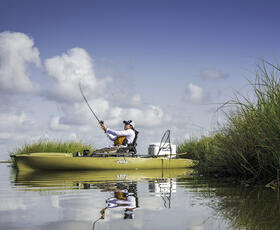
Kayaking Fishing at Pointe-aux-Chenes

Sunset Fishing

Fishing Louisiana's Cajun Bayou
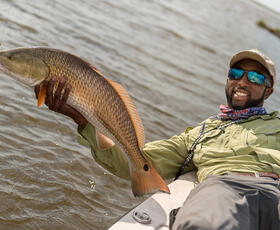
Fishing near Houma
Gear and Techniques for Louisiana Fishing
The gear and techniques that work best for Louisiana fishing depend on whether you’re targeting freshwater, inshore saltwater or offshore species, but a versatile approach ensures success across the state’s habitats. In the marshes and coastal bays, medium-action spinning or baitcasting setups paired with 10- to 20-pound braided line are ideal for redfish and speckled trout, with popular lures including soft plastic paddletails, popping cork rigs and topwater plugs for early-morning action. Sight-casting to redfish in shallow ponds often calls for weedless spoons or soft plastics, while deeper bayous and passes respond well to jigheads bounced along oyster beds. Offshore anglers typically rely on heavier tackle — 30- to 80-pound setups — for targeting snapper, amberjack, cobia and pelagic species, using live bait, vertical jigs and trolling rigs near oil platforms and reefs.
In Louisiana’s freshwater lakes and rivers, medium-action rods with 8- to 15-pound line work well for largemouth bass, with effective techniques including flipping jigs into heavy cover, working crankbaits along timber and using soft plastics around grass beds. Crappie anglers often turn to lightweight setups and small jigs or minnows, especially around brush piles and submerged structures, while catfish are best targeted with strong rods, heavier line and bottom rigs baited with cut bait or stink bait.
Fly-fishing enthusiasts will find opportunities in both freshwater and inshore areas, especially for bass and redfish in calm shallows. Because Louisiana’s conditions vary with tides, weather and water clarity, successful anglers adapt their gear and tactics to the environment, switching between artificial lures, live bait and different retrieval techniques as needed. With the right combination of tackle, presentation and local awareness, anglers can consistently thrive in Louisiana’s rich and varied fisheries.
Where to Find Local Fishing Guides and Charters
You can find local fishing guides and charters in Louisiana by searching the state’s major coastal hubs, popular freshwater lakes and well-known fishing communities, where professional captains specialize in both inshore and offshore trips. Coastal destinations like Venice, Grand Isle, Cocodrie and Hopedale host numerous charter services offering guided redfish, speckled trout and offshore excursions, while marinas, bait shops and local tourism offices provide reliable referrals. Inland, places such as Toledo Bend, Lake D’Arbonne and the Atchafalaya Basin feature experienced freshwater guides who focus on bass, crappie and catfish trips, with many operating through local marinas and fishing lodges.
Online booking platforms, fishing forums and social media groups dedicated to Louisiana angling also make it easy to compare guide services, check reviews, confirm availability, and choose trips that match your target species and skill level. Many charters provide all necessary gear, safety equipment and local expertise, helping visitors and beginners navigate tides, seasonal patterns and complex marsh systems. Whether you’re planning a deep-sea adventure, a marsh sight-fishing trip or a quiet day on a freshwater lake, Louisiana’s extensive network of guides and charters ensures that anglers can access the best waters with knowledgeable professionals who maximize both safety and success.
Louisiana Fishing Tips & Regulation
Louisiana fishing tips and regulations focus on helping anglers enjoy the state’s world-class waters safely, responsibly and within the rules set by wildlife authorities. Successful fishing in Louisiana starts with understanding basic best practices such as monitoring tides in coastal marshes, adjusting tackle to match water clarity and targeting structure like grass beds, oyster reefs and cypress cover where fish naturally gather. Equally important is staying informed about Louisiana Department of Wildlife and Fisheries requirements, which include purchasing the appropriate fishing license, following size and possession limits, and observing seasonal closures that protect certain species during vulnerable periods.
Anglers should also familiarize themselves with gear restrictions in specific regions, as some areas limit the types of nets, hooks or bait allowed to preserve sensitive habitats. Checking daily marine forecasts, carrying essential safety equipment and practicing ethical angling — such as releasing undersized fish properly and minimizing environmental impact — can greatly improve both success and sustainability. Because regulations may change based on conservation needs, weather events or habitat conditions, it’s important to consult the latest LDWF updates before each trip. Whether you’re fishing coastal marshes, inland reservoirs or deep offshore waters, following local tips and staying compliant with state rules ensures a smooth, productive and responsible Louisiana fishing experience.
Louisiana Department of Wildlife & Fisheries
Frequently Asked Questions About Winter in Louisiana
What is the weather like in Louisiana during the winter?
Louisiana winters are generally mild, especially compared to the rest of the United States. Freezing temperatures and even light snow may happen in North Louisiana but are extremely rare in the southern areas.
What should I pack for a vacation to Louisiana in winter?
When it comes to clothing, make sure to pack layers. The sun will keep you warm during the day, but temperatures may drop at night to where long-sleeved shirts and pants will keep you comfortable. Sunscreen and sunglasses are a must in every season.
What are the top winter festivals in Louisiana?
Louisiana always has something to celebrate, even in the cooler months. Mardi Gras celebrations happen over several weeks throughout the state. Holiday events, foodie festivals and musical performances are also popular to attend.


Louisiana Fishing Tales
Everybody's got a story about the one that got away. Check out the ones that didn't and see what's biting now in Louisiana!