Louisiana River Road: History, Culture and Fun
Follow the Mississippi River to experience the historic homes, foodie scene and outdoor adventures.
Follow the Mississippi River to experience the historic homes, foodie scene and outdoor adventures.
At a Glance
- Explore Louisiana’s River Road, between Baton Rouge and Louisiana's River Parishes, for a journey through history, culture and scenic Mississippi River landscapes, with historic plantations, museums, local restaurants and outdoor adventures.
- Visit iconic River Road historic sites and plantation homes, including Oak Alley Plantation, Laura Plantation, Houmas House Estate and Gardens, Destrehan Plantation and Rosedown Plantation State Historic Site.
- Experience Louisiana’s legendary food culture by sampling regional favorites such as andouille, boudin, cracklins, jambalaya and Cajun and Creole cuisine at restaurants, markets and food stops along the route.
In the 1700s and early 1800s, French Creoles from New Orleans, hardworking German settlers and planters from England traveled the Great River Road, trying to make their fortunes. They brought diverse customs that made Louisiana the mélange of cultures it is today.
For centuries, ghost stories and larger-than-life legends have haunted southeast Louisiana. The region’s homes, a medley of Creole, West Indies and English antebellum styles of architecture, tell colorful stories of the families who once inhabited them.
The Louisiana River Road All-American Road stretches all the way from the southeast corner to the northeast corner of the state, but here's just a taste of what there is to offer around the Baton Rouge area.

Hike the Tunica Hills Wildlife Management Area.

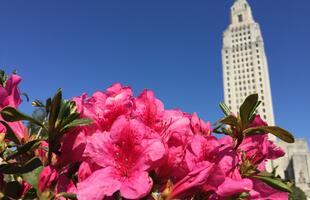
Explore exhibits at the Capitol Park Museum.

Try spicy andouille in Louisiana's River Parishes.
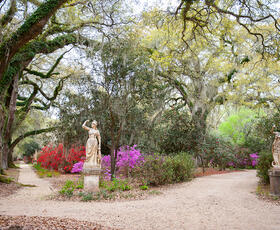
Visit Rosedown State Historic Site.
Recreation, Outdoors and Activities for Families
Outdoor enthusiasts will find an angler’s haven here. In Pointe Coupée Parish, the Old River and False River areas provide opportunities for fishing, boating and jet skiing. Tunica Hills Wildlife Management Area, in the St. Francisville area, is great for hiking, horseback riding and wildlife watching. Those who want wild explorations with their tee times should follow the Audubon Golf Trail to notable golf courses.
The region offers a lot for families as well, such as the BREC's Bluebonnet Swamp Nature Center south of Baton Rouge. A swamp tour with Cajun Pride Swamp Tours is another great way to get an up-close-and-personal natural experience. For wildlife viewing in a tamer setting, the Baton Rouge Zoo is a fun way to spend an afternoon with kids. Animal lovers will enjoy their informational animal talks and interactive activities, including the Giraffe Chat, Otter Chat and the Running of the Ducks at the Kids Zoo.
Experience River Road History
History comes to life throughout the year in the small towns and settlements near Baton Rouge. Port Hudson State Historic Site saw one of the longest sieges in U.S. military history — and was the site of the first major use of African American troops in combat during the Civil War. For an additional peek at military past, visit the USS KIDD Veterans Museum in Baton Rouge (note that the ship is away for repairs).
Explore the area's history at the West Baton Rouge Museum in Port Allen or the LSU Rural Life Museum and Windrush Gardens, where you may spot LSU students engaged in historical research and preservation. Travelers will find plenty of historic homes along the River Road area, including Destrehan Plantation in Destrehan, Oak Alley and Laura Plantation in Vacherie and Houmas House Plantation and Gardens in Darrow, which is also home to the Great River Road Museum. Over in St. Francisville, you'll find Rosedown Plantation State Historic Site.
Culture Along River Road
Cajun, zydeco, swamp pop and blues music fills the air in these parts. Music fans should try the popular Live After 5 concert series, which takes the stage on Friday nights in the spring and fall in downtown Baton Rouge. Country fans should check out Texas Club, which originally opened as a dance hall in 1981 and has hosted Hank Williams Jr. and George Strait.
For an education in Louisiana art, visit Shaw Center for the Arts and LSU Museum of Art in Baton Rouge, which also hosts international exhibits. To learn about Louisiana's history, culture and industry, check out the Capitol Park Museum in Baton Rouge and the River Road African American Museum in Donaldsonville.
Best Restaurants Along River Road
In St. Gabriel, Roberto's River Road Restaurant is described as a hidden gem and is certainly worth a stop for their Shrimp Roberto, seafood-stuffed shrimp wrapped in bacon and fried. A taste of old Acadian style can be found in a back-country snack called cracklins or a hot link of boudin. The Gonzales Jambalaya Festival will give you the best of the best in this traditional Louisiana dish. Wayne Jacob’s smokehouse and restaurant in LaPlace sells the spicy, smoked sausage and gives tours and samples. And try the region's spicy delicacy, andouille, along the Andouille Trail in Louisiana's River Parishes.
Where to Shop
The Tanger Outlets in Gonzales are a must-visit, and the Towne Center at Cedar Lodge and Perkins Rowe in Baton Rouge feature upscale shopping and dining experiences. Pick up some homemade products at the German Coast Farmers' Market in Destrahan or explore the West Feliciana Antique Mall, with over 4,500 square feet and 30 vendors offering great finds.
Frequently Asked Questions
What is Louisiana’s River Road?
Louisiana’s River Road is a scenic route along the Mississippi River that connects communities between New Orleans and Baton Rouge. The area is known for historic homes, cultural attractions, museums, restaurants, outdoor experiences and stories that reflect Louisiana’s diverse heritage.
Where is the River Road in Louisiana?
The Great River Road area runs along the Mississippi River between Baton Rouge and New Orleans, passing through communities such as Gonzales, Darrow, Sorrento, Vacherie and other small towns.
How long does it take to drive the Louisiana River Road?
The drive can be completed in a day, but many visitors spend two or more days exploring the region. Allowing extra time makes it possible to tour historic sites, enjoy local restaurants, visit museums and experience the culture of Louisiana’s river communities.
What are the best things to do along Louisiana’s River Road?
Popular River Road experiences include touring historic plantations and estates, visiting museums, exploring local restaurants, learning about Louisiana history, enjoying music and cultural attractions, and discovering scenic Mississippi River landscapes.
What historic homes can I visit on Louisiana’s River Road?
Visitors can explore several historic estates and museums along River Road, including Oak Alley Plantation, Laura Plantation, Destrehan Plantation, Houmas House Estate and Gardens, and other historic sites that interpret Louisiana’s complex past.
What kind of music can I experience along River Road?
The River Road region is connected to Louisiana music traditions including Cajun, zydeco, swamp pop, blues, and other forms of Southern music. Visitors can find live performances, festivals, and cultural events throughout the area.
What museums should I visit along Louisiana’s River Road?
Museums along the route highlight Louisiana history, culture, military history, agriculture, art, and regional traditions. Options include the West Baton Rouge Museum, LSU Rural Life Museum, Capitol Park Museum and River Road African American Museum.
What food should I try on Louisiana’s River Road?
Visitors should look for Louisiana classics such as gumbo, jambalaya, seafood dishes, crawfish dishes, boudin, po’boys and other Cajun and Creole specialties. Many restaurants along the route highlight locally inspired cuisine.